
Have you ever wondered why you choose one brand over another — even when both offer the same thing?
Why does a certain song in an advertisement make you suddenly nostalgic?
Why does a particular logo feel familiar and comforting?
Why do some brands feel like they understand you?
This is not an accident.
It is the quiet work of Neuromarketing and Emotional Marketing.
These are not just marketing techniques — they are ways of understanding how the human heart and brain respond to stories, feelings, memories, colors, sounds, and messages.
At the end of the day:
People don’t buy with logic.
People buy with emotion.
And then they use logic to justify the decision.
Let’s explore this in the most human, gentle, and meaningful way.
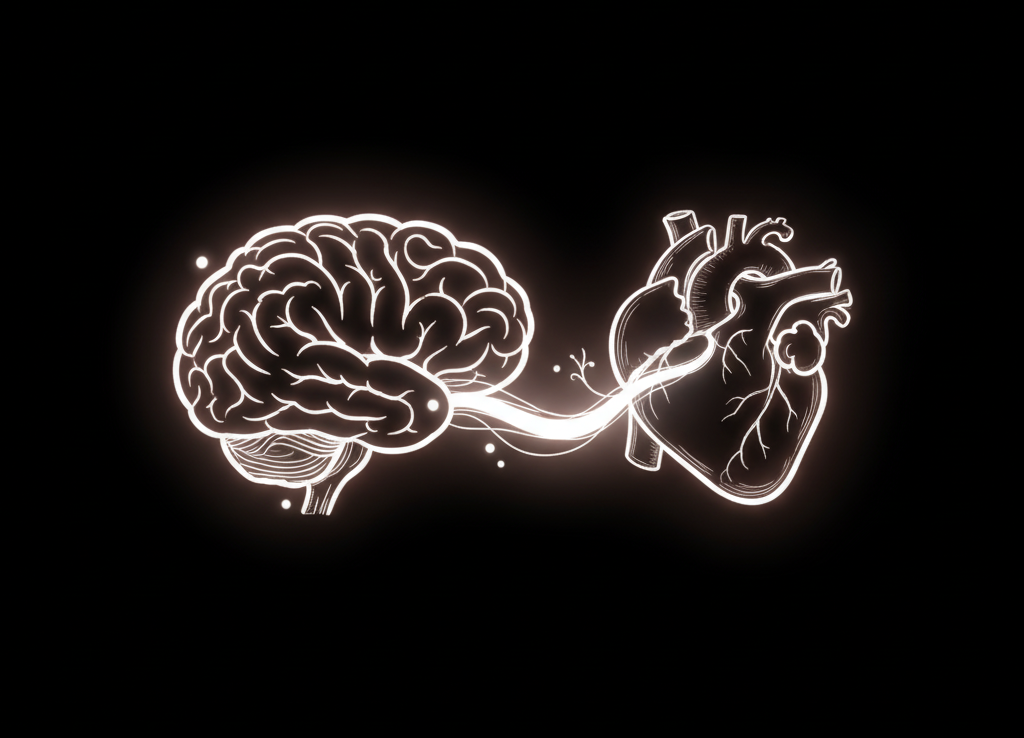
Neuromarketing: The Science of How We Emotionally Decide
Neuromarketing is about understanding what is happening inside the mind when a person sees a brand, hears a message, or makes a choice.
But don’t worry — it’s not about manipulating or controlling people.
When done ethically, it’s simply about speaking to humans the way their brains naturally work.
Here’s a simple truth:
Our brain makes decisions emotionally in just 2.5 seconds.
Only after that, we try to explain the decision logically.
For example:
You see a warm cup of coffee in an ad.
You feel comfort, warmth, peace.
You imagine slow mornings and soft conversations.
Your brain says:
“This feels good. I want that feeling.”
Then your logical mind says:
“Yes, this brand uses organic beans, so it makes sense.”
Emotion first. Logic second.
Neuromarketing simply honors this natural process.
How Neuromarketing Shows Up in Everyday Branding
| Element | How It Influences You |
|---|---|
| Colors | Calm colors soothe, bright colors excite. |
| Faces | Seeing a smiling face builds trust instantly. |
| Stories | The brain remembers stories, not facts. |
| Music | Sounds trigger memories and emotions. |
| Simplicity | The brain loves messages it can understand fast. |
This is why:
- Fast-food brands use red and yellow → excitement + hunger
- Luxury brands use black and gold → elegance + pride
- Hospitals use blue and white → trust + cleanliness
None of this is random.
It’s all deeply psychological.
Emotional Marketing: Making People Feel Something
If neuromarketing is understanding the brain, emotional marketing is understanding the heart.
It asks:
- What does our audience care about?
- What are they afraid of?
- What do they hope for?
- What pain are they trying to escape?
- What dream are they trying to reach?
It turns products into experiences
and experiences into memories.
For example:
A skincare brand is not selling lotion.
It is selling confidence.
A gym is not selling machines and mats.
It is selling self-belief and discipline.
A travel company is not selling tickets.
It is selling freedom.
When brands understand this, their marketing becomes:
- Warmer
- Softer
- More meaningful
- More relatable
And customers feel understood — not targeted.
Real-Life Emotional Marketing Examples
Think about these popular ads:
- Coca-Cola never says “Our drink tastes good.”
They say: “Share happiness.” - Nike doesn’t say “Our shoes are durable.”
They say: “You have greatness inside you.” - Apple doesn’t say “Our tech is advanced.”
They say: “Think different.”
They are not selling the product.
They are selling the identity and emotion behind it.
This is emotional marketing at its purest.
The Relationship Between Neuromarketing and Emotional Marketing
Imagine marketing is a story.
- Neuromarketing chooses the right language, tone, colors, and visuals.
- Emotional Marketing chooses the meaning, message, and feeling.
Together, they create communication that feels:
- Natural
- Warm
- Human
- Memorable
When done with care, it doesn’t feel like marketing at all.
It feels like connection.
Why This Matters in Today’s World
People today are overwhelmed:
- Too many ads
- Too many choices
- Too many promises
But deep down, we still want:
- To feel seen
- To feel valued
- To feel understood
Marketing that respects human emotions creates:
- Trust
- Loyalty
- Love
Not just purchases.
That’s the difference between a brand people notice
and a brand people remember and choose again and again.
How to Use Neuromarketing & Emotional Marketing Ethically
Here’s a compassionate approach:
- Know your audience.
Learn their fears, hopes, dreams. - Speak with honesty.
No exaggeration. No manipulation. - Focus on helping, not pushing.
You are here to support, not pressure. - Use emotion to connect, not trick.
If the product does not genuinely help, don’t sell it. - Tell real stories.
True stories are the strongest emotional bridges.
Marketing should feel like friendship — not persuasion.
Conclusion
Marketing is not about convincing someone to buy.
It is about connecting with what matters to them.
Neuromarketing helps us understand how the mind responds.
Emotional marketing helps us understand how the heart feels.
When a brand:
- Listens deeply
- Speaks softly
- Understands feelings
- Respects emotions
- And communicates with warmth
People don’t just buy that brand.
They believe in it.
Because the most powerful marketing does not happen in the market —
It happens in the mind and heart of the human being you are speaking to.
And when people feel something real — they remember you.
They return to you.
They trust you.
Because you didn’t just sell.
You connected.